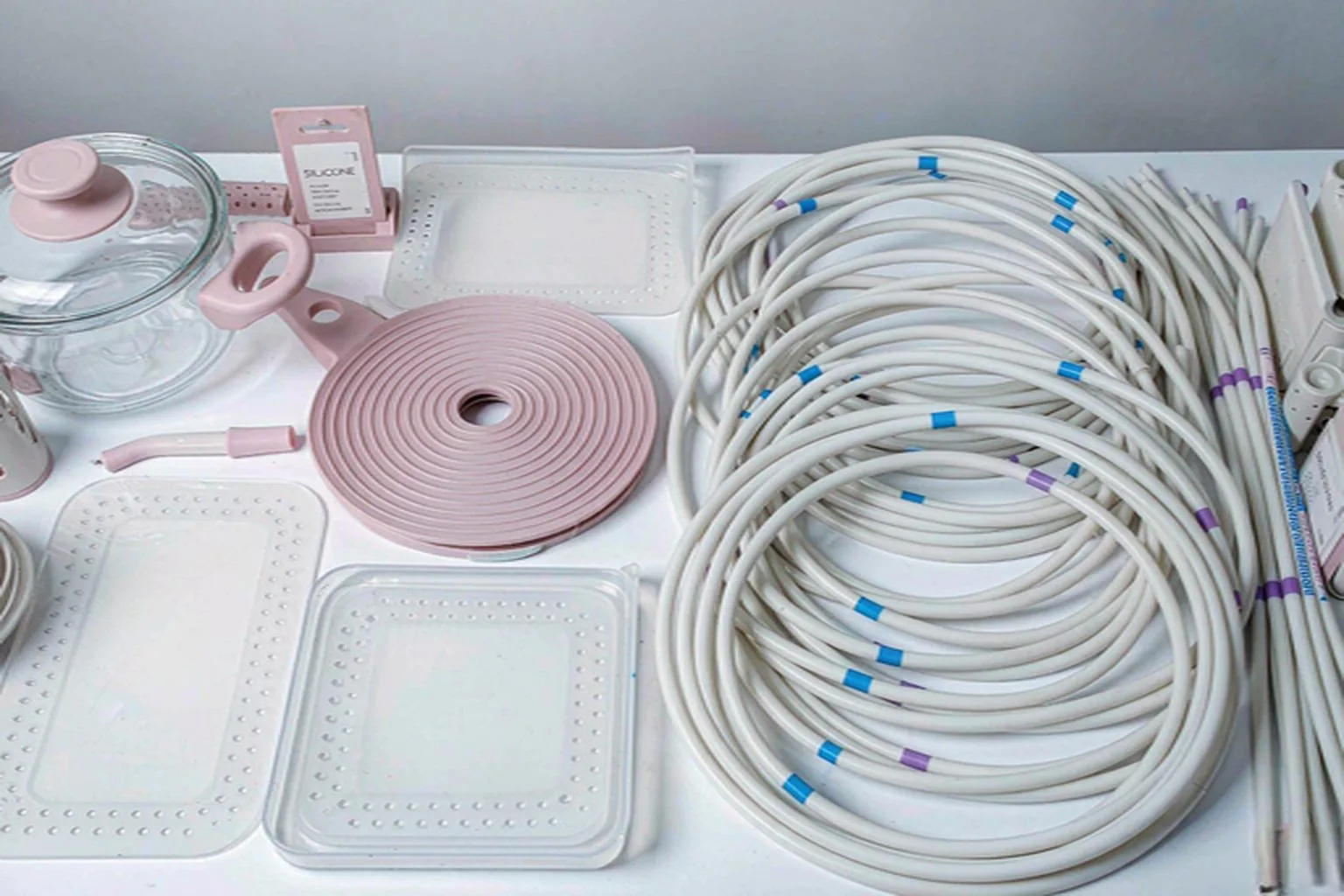
Both food-grade and medical-grade silicone are safe, durable and non-toxic. The difference comes down to purity, certification and manufacturing environment — and those differences directly affect cost.
What Is Food-Grade Silicone?
Food-grade silicone is formulated and tested to be safe for contact with food. It must not release harmful substances and must withstand the temperatures of cooking and dishwashing. It is commonly certified to FDA (US) and LFGB (EU) standards.
- Used for kitchenware, bakeware, baby feeding products and food storage.
- Manufactured in a controlled, clean production environment.
- Lower cost than medical-grade while still highly safe.
What Is Medical-Grade Silicone?
Medical-grade silicone meets stricter purity and biocompatibility requirements. It is tested for extended contact with the human body and is often produced in a certified cleanroom. Grades are validated for biocompatibility according to standards such as ISO 10993 and USP Class VI.
- Used for respiratory masks, catheters, wound care and implantable-adjacent components.
- Requires a higher level of cleanliness and documentation.
- Higher cost due to tighter controls and testing.
Key Differences at a Glance
| Factor | Food-Grade | Medical-Grade |
|---|---|---|
| Primary use | Food & kitchen contact | Body contact / healthcare |
| Certifications | FDA, LFGB | ISO 10993, USP Class VI |
| Purity | High | Very high |
| Production | Clean workshop | Cleanroom |
| Relative cost | Lower | Higher |
Which One Should You Specify?
If your product only touches food or kitchen surfaces, food-grade silicone is almost always sufficient and more cost-effective. Specify medical-grade when the part contacts the body, enters a sterile field, or when your customer contract explicitly requires medical certification.
Choosing the higher grade than needed adds cost without adding value — our engineers help you specify exactly what your market requires.
Need a material recommendation for your project? Contact us for a free consultation.