Manufacturing Engineering & Tooling

Engineering precision into every custom silicone part — from high-speed CNC mold making and EDM finishing to scientific LSR injection, cleanroom processing and SPC-driven quality control.

Core Engineering Capabilities

The Six Pillars of CYES Manufacturing Engineering

Tooling designers, process engineers and quality specialists work together to scale from single-cavity prototype molds to high-cavity automated production — without losing dimensional control.

Pillar 01 · Tooling

Precision Mold Tooling Engineering

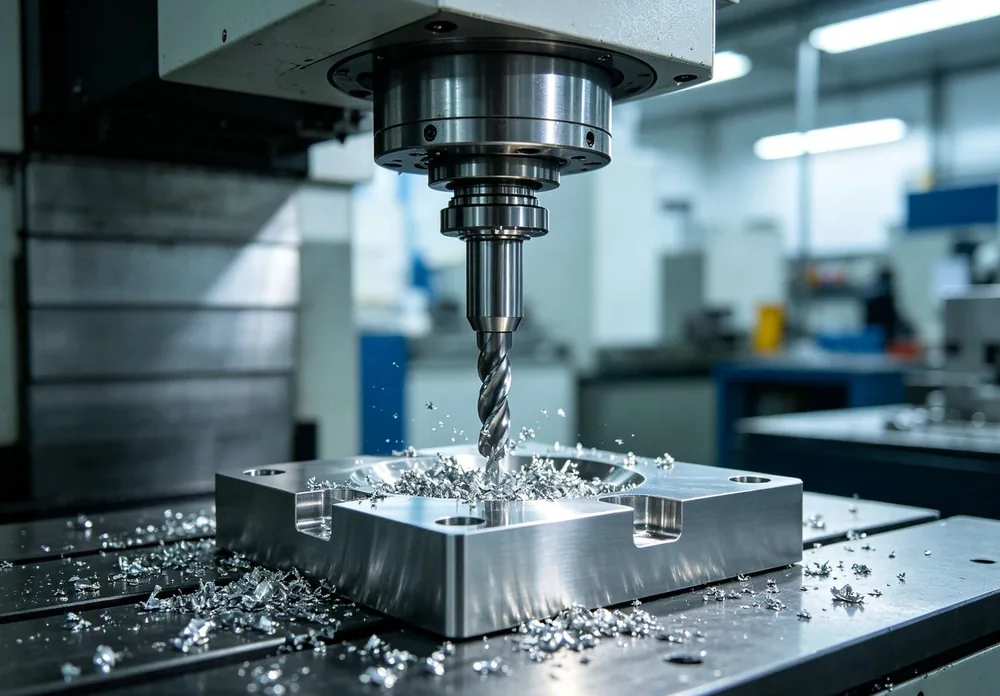
An in-house CNC toolroom with high-speed milling and mirror EDM builds cavities in P20, NAK80 and S136 steel — holding ±0.01 mm on critical dimensions with a polished surface finish.

  • CNC machining and EDM finishing in-house
  • P20, NAK80 and S136 tool steel options
  • Scientific shrinkage compensation before cutting
Pillar 02 · Rheology

Scientific LSR Injection Processing

Closed-loop metering feeds high-shear liquid silicone into temperature-isolated cavities, with automated dosing holding injection weight within ±0.1% for repeatable, high-purity parts.

  • Cold-runner systems prevent premature curing
  • Multi-component dosing with ±0.1% accuracy
  • Vacuum-assisted venting to remove air traps
Pillar 03 · Environment

Cleanroom Production

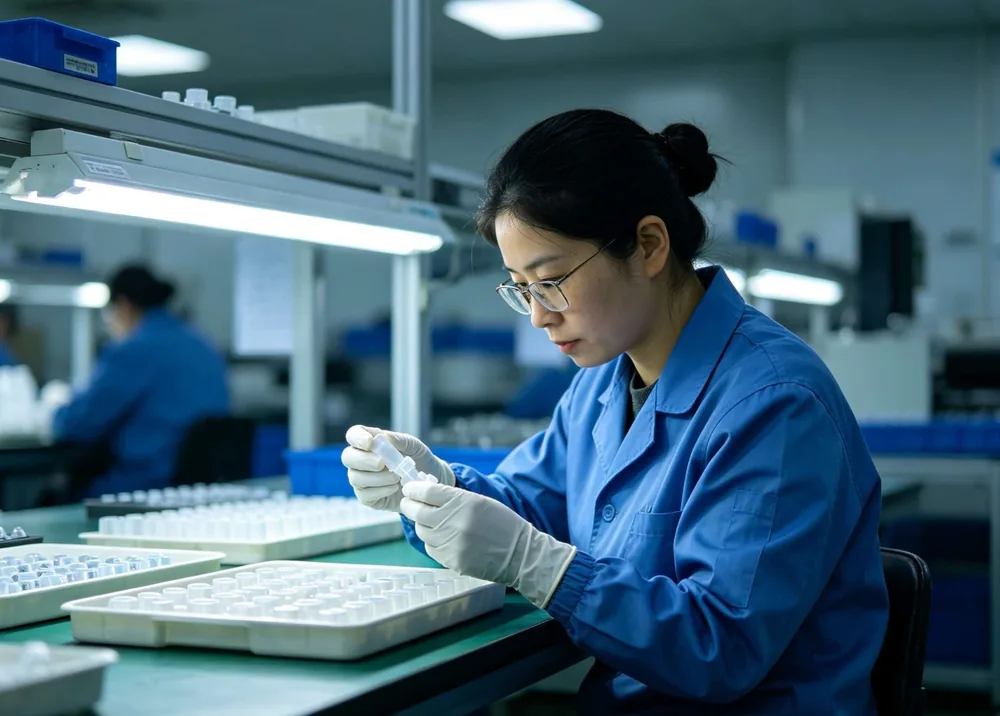
A controlled cleanroom environment supports medical-grade and food-contact parts, keeping airborne particulate and contamination under control for hygiene-sensitive applications.

  • HEPA-filtered positive-pressure airflow
  • Isolated area for medical & infant care parts
  • Documented environmental controls and records
Pillar 04 · Post-Processing

Deflashing & Surface Engineering

Secondary operations deliver a clean, functional surface — from de-flashing and trimming to printing, laser marking and surface treatments that prepare parts for branding and assembly.

  • Automated de-flashing and trimming
  • Pad printing, silk-screen and laser marking
  • Surface treatment for bonding and branding
Pillar 05 · Multi-Material

Overmolding & Bonding Engineering

Multi-shot and insert molding combine rigid engineering thermoplastics or metal inserts with soft silicone, planned around substrate, bonding and temperature control during DFM.

  • Insert molding with plastic or metal components
  • Mechanical interlocks and bonding design
  • Substrate temperature control to avoid stress
Pillar 06 · Metrology

Quality Metrology & SPC

Three-stage inspection with in-house dimensional, hardness and tensile testing, backed by statistical process control on critical dimensions for consistent, traceable batches.

  • IQC, IPQC and OQC inspection stages
  • In-house hardness, tensile and dimensional testing
  • Full batch traceability to material and machine
Inside Our Facility

The Equipment Behind the Engineering

Photographs from our Dongguan workshop — the machines, molds and measuring systems that turn our engineering capabilities into finished parts.

CNC machining center milling a precision silicone mold cavity

CNC Mold Machining

High-speed CNC cuts mold cavities to ±0.01 mm before EDM finishing.

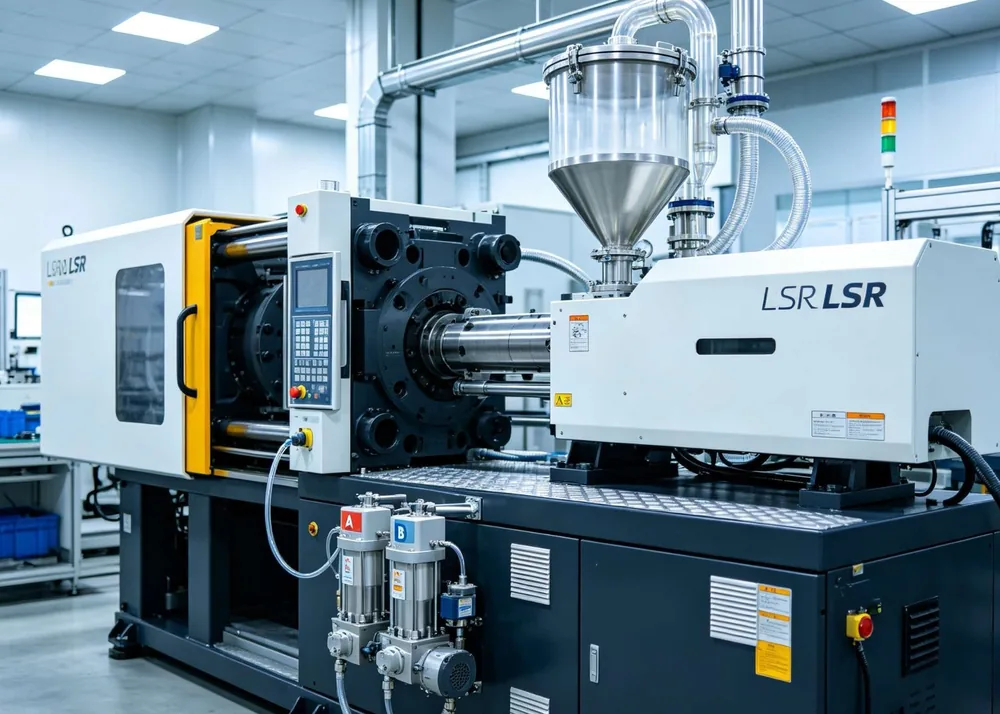
LSR injection molding machine with dual-component metering

LSR Injection

Closed-loop metering and cold-runner systems for high-purity liquid silicone parts.

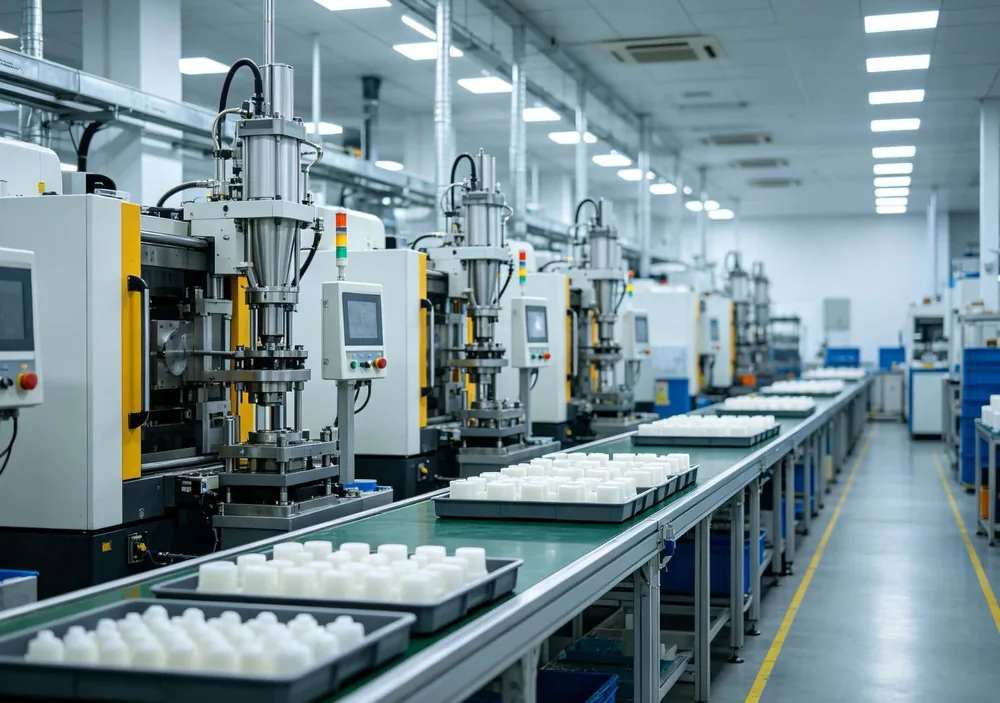
Rows of injection molding machines on the CYES production floor

Production Floor

Automated molding lines running compression and LSR injection around the clock.

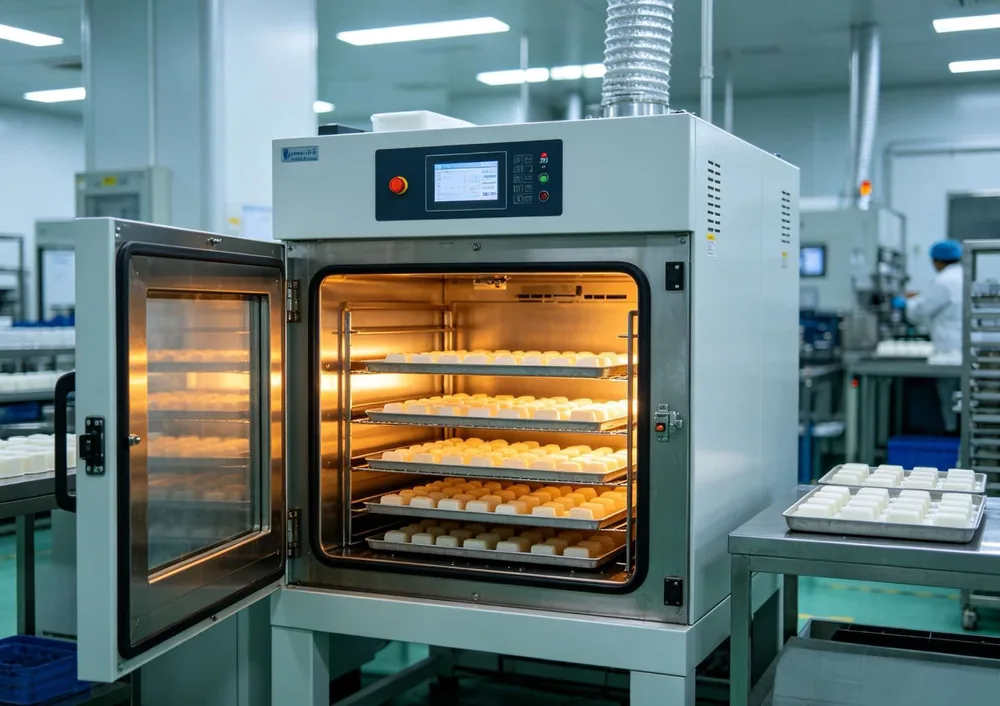
Curing oven for silicone post-curing and volatile reduction

Post-Curing

Controlled ovens reduce volatiles and stabilize mechanical properties.

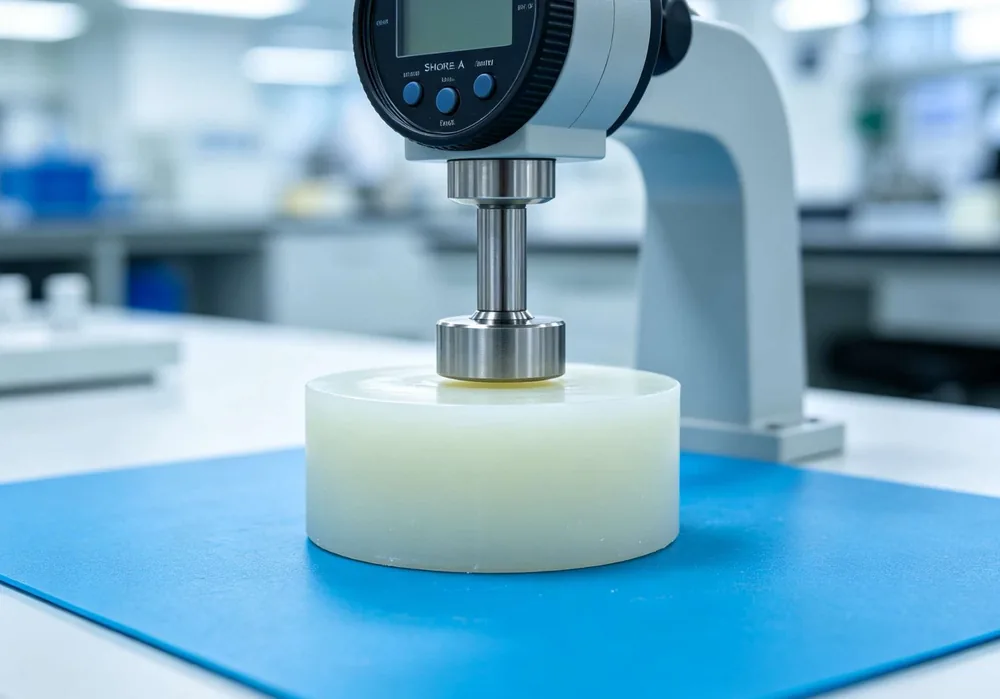
Shore A durometer testing silicone hardness

Metrology

Hardness, tensile and dimensional verification with calibrated instruments.

Operator inspecting and assembling silicone products in the CYES workshop

Assembly & Finishing

Inspection, assembly and finishing completed under one roof.

Engineering Specifications

Technical Parameters — With the Context That Matters

Every number below states what it applies to, so you can compare like-for-like rather than against a headline figure.

CapabilityEquipment / TechnologyMeasured parameterApplies to
Mold CNC machiningHigh-speed CNC milling + EDM±0.01 mm cavity toleranceMold steel cavities (P20 / NAK80 / S136)
LSR injectionClosed-loop metering with cold-runner±0.1% shot-weight repeatabilityLiquid silicone injection lines
Color matchingPantone / RAL reference formulationΔE ≤ 1.5Solid & liquid silicone compounding
Part dimensionsPrecision tooling + controlled molding±0.1 – 0.3 mm (size-dependent)Finished silicone parts
Hardness rangeIn-house durometer verificationShore 20A – 80ASolid silicone & LSR
Quality controlIQC / IPQC / OQC + SPCTraceable per batchAll production lots

Silicone is a flexible material, so finished-part tolerance is always wider than the mold cavity tolerance. Our DFM review confirms the tolerance plan before tooling so you never pay for precision you do not need.

Value-Added Services

From Molded Part to Retail-Ready

Laser Etching & Marking

Permanent serial numbers, QR codes, logos and alignment marks on silicone surfaces.

Pad & Silk-Screen Printing

Multi-color printing with abrasion-resistant inks, cured for durable branding.

Assembly & Welding

Component assembly and joining to build complete, functional products.

Retail Packaging

Custom packaging, barcode labeling and master carton assembly for global distribution.

Common Questions

Manufacturing Engineering FAQ

Liquid silicone has very low viscosity and can flash into fine gaps. We control it through precise CNC toolmaking, mirror EDM finishing, cold-deck thermal isolation and rigid mold-base construction with consistent clamping pressure.
We machine molds in P20, NAK80 and S136 steel. P20 suits standard runs, NAK80 polishes to a mirror finish for glossy and transparent parts, and S136 stainless steel resists corrosion for medical and food-contact applications.
We run three-stage inspection (IQC, IPQC, OQC) with in-house dimensional, hardness and tensile testing, and apply statistical process control on critical dimensions. Each batch is traceable to its raw material lot and machine parameters.
Yes. We offer insert molding and overmolding, combining silicone with engineered thermoplastics or metal inserts. Bonding is planned around substrate, temperature control and interface design during DFM.

Have a Part That Needs Engineering Review?

Send your drawing or specification. Our engineers will review the tooling and process route before quotation.

Start an Engineering Review Read the DFM Guide